Market statistics
- Total volume
- $16.5M
- 24h volume
- $202K
- Liquidity
- $174K
- Open interest
- $916K
- Comments
- 1070
Available prediction outcomes (6)
Sorted by descending live probability. Click any outcome to trade it on PolyGram.
Market context
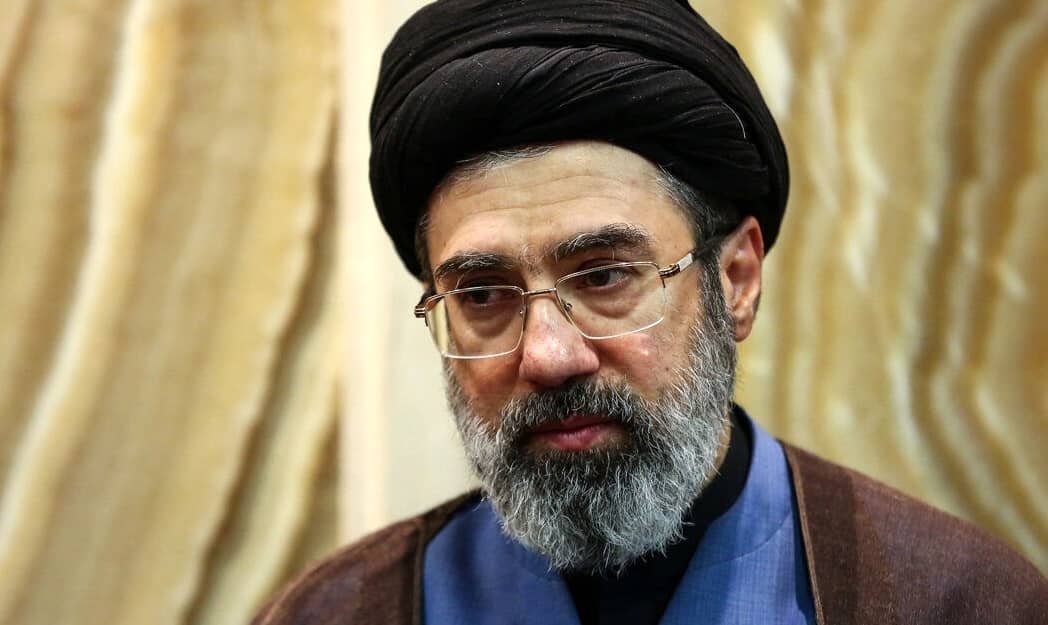
Polymarket currently prices the prospect of Mojtaba Khamenei losing his position as Iran's de facto leader by end-2026 at 0%, with the market trading USDC on Polygon. This reflects the crowd's assessment that the eldest son of Supreme Leader Ayatollah Ali Khamenei will retain effective control through the settlement window, despite ongoing domestic instability and international pressure. The conditional token structure means traders are pricing near-zero probability of removal, detention, or forced incapacity within roughly two years.
Historical precedent offers limited direct comparison. Iran's Supreme Leader position has proven remarkably durable since the 1979 revolution; Ayatollah Khomeini held power until his 1989 death, whilst Ali Khamenei has consolidated authority for 35 years despite multiple domestic crises, including the 2009 Green Movement and 2019-2022 protest cycles. Succession planning within Iran's clerical establishment typically occurs through gradual institutional positioning rather than sudden removal. Mojtaba's informal role as a potential successor has been documented since the 2000s, suggesting institutional acceptance of his trajectory.
Near-term catalysts centre on Iran's domestic political calendar and international developments. The 2025 presidential election cycle could reshape factional dynamics, though the Supreme Leader's office sits above electoral politics. Escalation in regional conflict, particularly involving Israel or the United States, might destabilise the regime's internal balance. Traders should monitor health disclosures regarding the 85-year-old Supreme Leader, reports from Iranian opposition media regarding succession disputes, and any statements from the Guardian Council or Revolutionary Guard command regarding institutional continuity.
Methodology
We track Iran leadership change by 2026? across the five venues with material prediction-market liquidity. The probability shown is the live Polymarket mid; the comparison rows summarise how each venue treats the underlying contract — fees, KYC thresholds, settlement currency, deposit options. The highlighted row marks the cheapest route into Polymarket's order book.
Resolution & payout
At resolution the UMA oracle takes over: a proposer posts the outcome with a bond, any token holder can dispute within two hours. Without dispute the result is accepted and the smart contract distributes USDC instantly.
On Kalshi (CFTC-regulated) resolution runs through their in-house clearing engine in USD. Betfair Exchange settles after match end in the account's local currency. Manifold pays no cash — only its in-platform "mana" currency.
FAQ
- Is this market available outside the US?
- Polymarket itself is geo-blocked in the US/UK/EU. Always check the legal status of prediction markets in your jurisdiction before trading.
- How does resolution work?
- Through the UMA Optimistic Oracle on Polygon: a proposer submits the outcome, a two-hour challenge window opens, and USDC payouts settle automatically once the result is final.
- What does Polymarket cost to trade?
- Polymarket itself charges 0% — the only cost is the Polygon network fee, typically under $0.01 per transaction. Off-chain venues like Kalshi or Betfair charge 2-7% commission.
- How fast are USDC deposits?
- Polygon credits deposits after 12 confirmations — usually under 30 seconds. Withdrawals follow the same path and land back in your wallet within minutes.
- How reliable are the quoted odds?
- The YES/NO percentages are the live mid-prices of the Polymarket order book. On deep markets they move every few seconds; on thinner ones you'll see short plateaus.
Trade Iran leadership change by 2026? on PolyGram
Live order book, 0% fees, USDC settlement in seconds.
Open live market →