Market statistics
- Total volume
- $4.2M
- 24h volume
- $866K
- Liquidity
- $32K
- Open interest
- $208K
- Comments
- 57
Platform comparison
| Platform | YES odds | NO odds | Fee | KYC | Settlement | |
|---|---|---|---|---|---|---|
Polymarket (via PolyGram) Pick polygram.ink (preferred broker) |
0% | 100% | 0% (USDC on-chain) | No-KYC up to $1,500 | USDC, auto via UMA oracle | Place a position → |
Polymarket (direct) polymarket.com |
0% | 100% | 0% | Geo-blocked in US/UK/EU | USDC, on-chain | Place a position → |
Kalshi kalshi.com |
— | — | Up to 7% per trade | US-only, KYC required | USD | Place a position → |
Betfair Exchange betfair.com |
— | — | 2-5% commission | Full KYC from first trade | GBP / EUR | Place a position → |
Manifold Markets manifold.markets |
— | — | Play-money (mana) | None — play-money | Mana (no cash-out) | Place a position → |
Available prediction outcomes (3)
Sorted by descending live probability. Click any outcome to trade it on PolyGram.
Market context
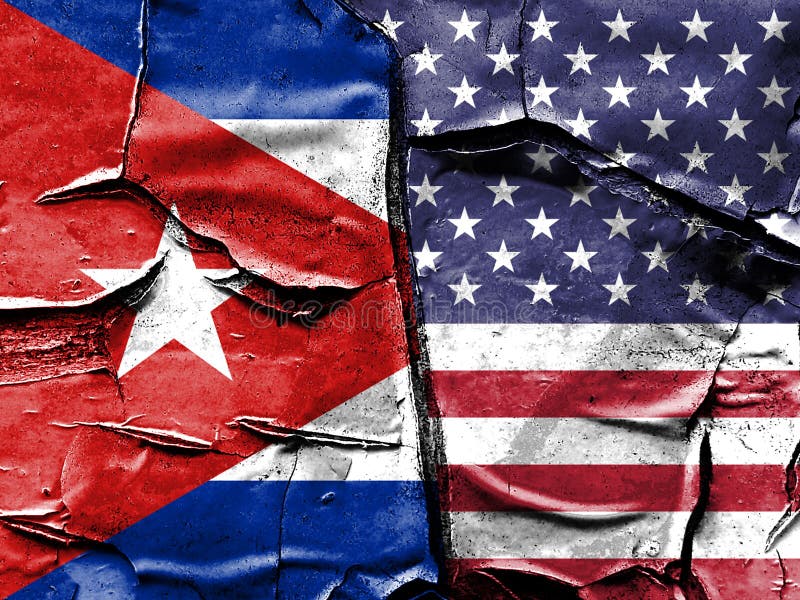
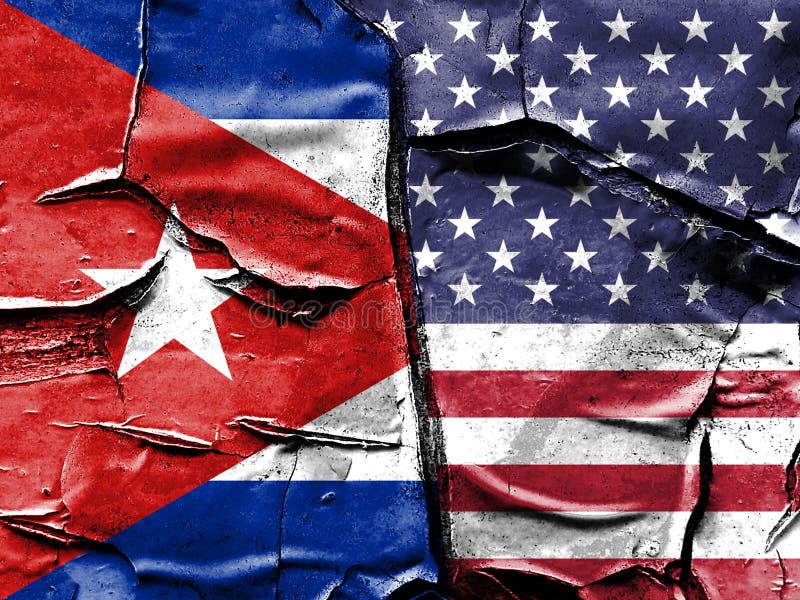
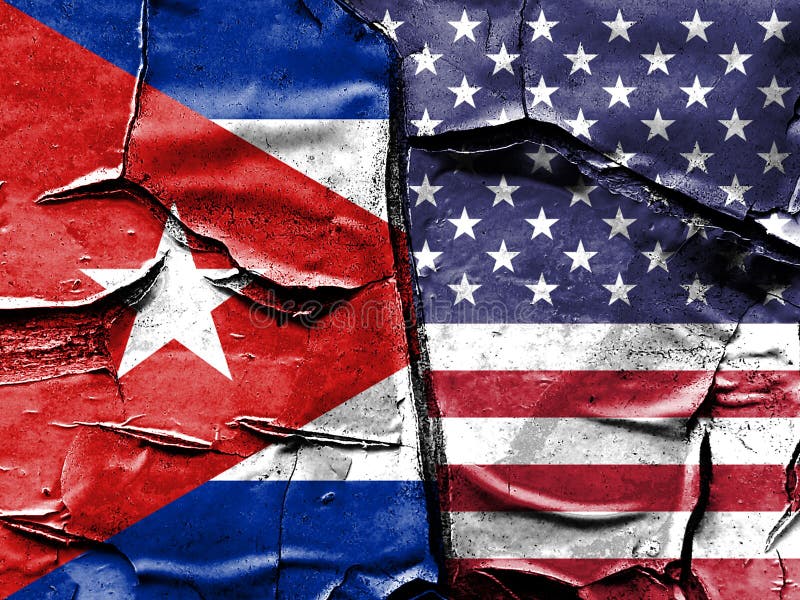
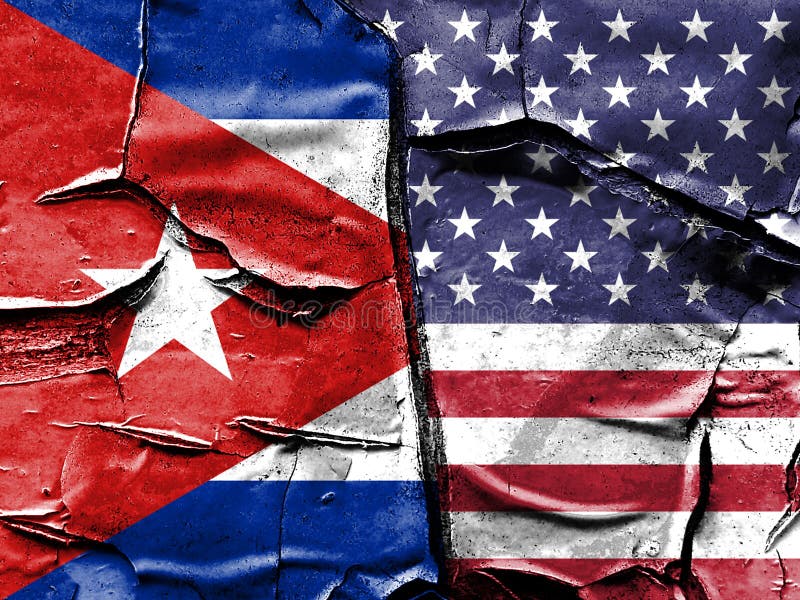
Polymarket currently prices US military action against Cuba—defined as drone, missile, or air strikes on Cuban soil by end-2026—at zero per cent, reflecting trader consensus that such an operation falls outside plausible near-term scenarios. The contract settles YES only if a US-initiated aerial strike is announced or credibly reported; naval blockades, cyber operations, or covert ground incursions do not qualify. USDC collateral backs both YES and NO conditional tokens on Polygon, with settlement contingent on reporting from major news outlets or official US government statements.
Historical precedent suggests extremely low baseline risk. The US has not conducted military strikes on Cuba since the 1962 missile crisis, and subsequent decades of embargo coexist with de facto acceptance of Cuban sovereignty. The 2015 Obama-era diplomatic thaw, though reversed under Trump, established no pattern of escalation toward kinetic action. Even during periods of heightened US-Cuba tension—including the 2017–2021 Trump administration—no serious military strikes materialised, despite rhetorical hostility toward the Castro regime.
Near-term catalysts remain sparse. Traders should monitor statements from the incoming US administration regarding Cuba policy, any major incident involving US personnel or interests in the region, and developments in Venezuela (where Cuban military presence is substantial). Recent reporting from Reuters and AP News shows no current administration officials advocating military strikes. The 0% pricing reflects genuine structural constraints: Cuba poses no direct military threat to US territory, and domestic political appetite for unilateral action remains negligible across both parties.
Wikipedia Context
-
United States Armed Forces
The United States Armed Forces are the military forces of the United States. United States federal law establishes six armed forces: the Army, Marine Corps, Navy, Air Force, Space Force, and Coast Guard, each assigned specific roles and operational domains. With the exception of the Coast Guard, which operates under the Department of Homeland Security (DHS)
-
US military watches
US military watches are watches that are issued to US military personnel.
-
 War in Afghanistan (2001–2021)
The war in Afghanistan was a prolonged armed conflict lasting from 2001 to 2021. It began with an invasion by a United States–led coalition under the name Operation Enduring Freedom in response to the September 11 attacks (9/11) carried out by the Taliban-allied and Afghanistan-based al-Qaeda. The Taliban were expelled from major population centers by Americ
-
 2003 invasion of Iraq
The 2003 invasion of Iraq was the first stage of the Iraq War. The invasion began on 20 March 2003 and lasted just over one month, including 26 days of major combat operations. The invasion was conducted by a United States-led coalition of mainly American, British, Australian, and Polish troops.
Methodology
This page reviews US military action against Cuba by...? across five venues. The live probability is the Polymarket mid-price, sourced directly from the on-chain Polygon order book; the comparison columns benchmark each venue on fee structure, KYC, settlement currency and payment rails. Every CTA routes to PolyGram, which mirrors the Polymarket order book at 0% fees.
Resolution & payout
Polymarket-based markets settle through the UMA Optimistic Oracle on Polygon. A proposer submits the outcome, a two-hour challenge window opens, and unchallenged proposals finalise the resolution. Payouts settle automatically in USDC the moment the result is final — no bookmaker, no delay.
Kalshi-based markets settle in USD via the CFTC-regulated clearinghouse. Betfair Exchange settles in GBP/EUR net of commission. Manifold is play-money and does not pay out real funds.
FAQ
- Where can I trade this market with the lowest fees?
- Polymarket is geo-blocked in the US/UK/EU. The easiest 0%-fee broker into the same order book is PolyGram. Kalshi charges up to 7% per trade; Betfair Exchange takes 2-5% commission on net winnings.
- How does resolution work?
- Through the UMA Optimistic Oracle on Polygon: a proposer submits the outcome, a two-hour challenge window opens, and USDC payouts settle automatically once the result is final.
- What's the difference between YES and NO shares?
- A YES share pays $1.00 if the event happens, $0 otherwise. A NO share pays $1.00 if the event doesn't happen. The market price between 0¢ and 100¢ is the implied probability.
- Do I need to KYC for this market?
- On Polymarket directly, no — it's wallet-based. Intermediary brokers like PolyGram trigger KYC only above $1,500 of lifetime trading volume; under that you trade pseudonymously with a single wallet address.
- How reliable are the quoted odds?
- The YES/NO percentages are the live mid-prices of the Polymarket order book. On deep markets they move every few seconds; on thinner ones you'll see short plateaus.
Trade US military action against Cuba by...? on PolyGram
Live order book, 0% fees, USDC settlement in seconds.
Open live market →